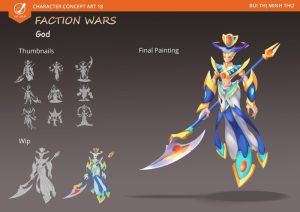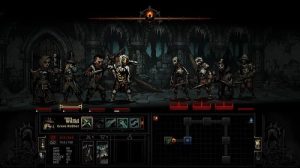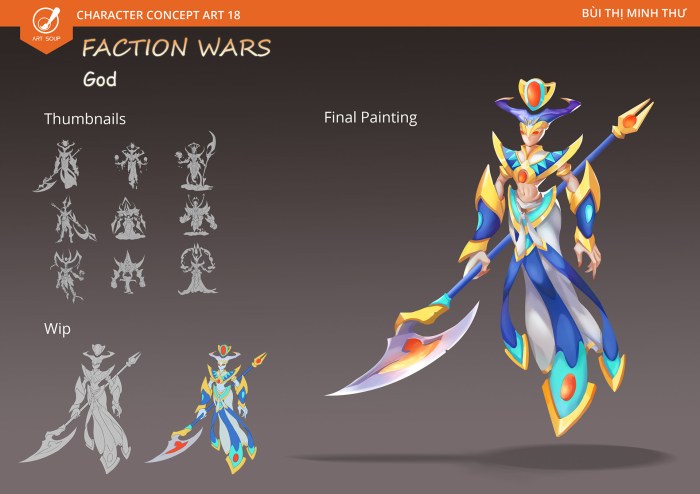
Prepare for war! Faction Wars Online plunges you into a world of strategic combat, where cunning alliances and powerful factions clash for supremacy. Dive into a thrilling gameplay experience where your choices shape the battlefield and your destiny. Get ready to forge your legend in a realm of relentless conflict and unexpected twists. Will you rise to become a champion, or fall prey to the relentless tide of war?
This deep dive into Faction Wars Online explores everything from its core mechanics and diverse factions to its thriving community and unique monetization strategies. We’ll dissect its place within the broader gaming landscape, comparing it to competitors and examining the challenges of developing a persistent online world. We’ll even touch on the potential for (ethical and responsible) integration of gambling elements, should the developers choose to explore that avenue.
Faction Wars Online
Faction Wars Online is a massively multiplayer online role-playing game (MMORPG) where players choose a faction and engage in persistent large-scale warfare. The game emphasizes strategic team play, resource management, and the conquest of territory. Victory hinges on skillful coordination, adaptable tactics, and a deep understanding of your chosen faction’s strengths.
Core Gameplay Mechanics
The core gameplay revolves around territorial control. Players participate in battles to capture and hold strategic locations on the game’s expansive map. These battles are dynamic and often involve hundreds of players simultaneously. Resource gathering is crucial for upgrading bases, crafting powerful equipment, and supporting your faction’s war effort. Players can also complete quests, both solo and in groups, to gain experience, rewards, and valuable resources.
Diplomacy and strategic alliances play a significant role in shaping the ever-changing geopolitical landscape of the game.
Available Factions and Their Attributes
Three distinct factions vie for dominance in Faction Wars Online: the technologically advanced Zenith, the magically potent Obsidian Order, and the fiercely independent Wildwood Pact.
Player Progression
Player progression is a journey of skill acquisition and power advancement. As players gain experience through combat and quests, they level up, unlocking new abilities and improving existing ones. This includes enhancing their primary weapon skills, mastering support abilities like healing or crowd control, and upgrading their equipment. The acquisition of powerful artifacts and unique items significantly boosts a player’s capabilities, granting them an edge in combat and faction warfare.
Furthermore, players can specialize in specific roles within their faction, such as a damage dealer, a tank, or a healer, contributing to the overall success of their team. High-level players can participate in challenging raids and world events, earning exclusive rewards and further strengthening their character.
Faction Comparison
| Faction | Playstyle | Strengths | Weaknesses |
|---|---|---|---|
| Zenith | Technologically focused, ranged combat, strategic maneuvering | Superior ranged weaponry, powerful siege capabilities, advanced technology | Vulnerable in close-quarters combat, reliant on technology, susceptible to disruption of supply lines |
| Obsidian Order | Magic-based, area-of-effect damage, defensive capabilities | Powerful area-of-effect spells, strong defensive magic, excellent crowd control | Limited mobility, susceptible to high burst damage, vulnerable to magic disruption |
| Wildwood Pact | Melee combat, guerilla warfare, stealth and ambush tactics | High mobility, strong melee combat skills, excellent stealth capabilities | Vulnerable to ranged attacks, limited area-of-effect capabilities, reliant on surprise attacks |
Faction Wars Online
Faction Wars Online thrives not just on individual skill, but on the strength of its community. The social aspects of the game are integral to the overall experience, fostering cooperation, competition, and a sense of belonging amongst players. This section delves into the importance of guilds, social features, and the impact of player interaction on gameplay.
Guilds and Alliances: The Backbone of Faction Wars Online
Guilds, or alliances, serve as the cornerstone of organized gameplay in Faction Wars Online. They provide a framework for players to collaborate on challenging content, share resources, and build lasting relationships. Joining a guild offers significant advantages, including access to coordinated strategies for large-scale events, shared knowledge about optimal gameplay techniques, and a supportive environment for both new and experienced players.
The competitive aspect of Faction Wars Online is significantly enhanced through guild-versus-guild (GvG) competitions, where alliances clash for supremacy, driving strategic planning and teamwork. Strong guilds often develop unique identities and cultures, fostering a sense of community and camaraderie among their members. This fosters loyalty and commitment, resulting in increased player retention and engagement.
Social Features: Connecting Players Within Faction Wars Online
Faction Wars Online employs a robust suite of social features designed to facilitate communication and interaction among players. A comprehensive in-game chat system allows for real-time communication within guilds, between players across factions, and even through global channels. This allows for quick coordination during battles, sharing of information about enemy movements, and general socializing. Beyond chat, the game hosts regular in-game events, such as tournaments, festivals, and collaborative quests.
These events not only offer exciting gameplay experiences but also provide opportunities for players to interact with each other in a structured and fun environment, further strengthening community bonds. The game also integrates features like friend lists and private messaging, enabling players to maintain personal connections outside of guild activities.
Impact of Player Interaction on Gameplay
Player interaction profoundly shapes the Faction Wars Online experience. Cooperative gameplay, particularly within guilds, is essential for overcoming difficult challenges and achieving significant in-game goals. The dynamic interplay between guilds creates a constant state of competition and collaboration, influencing strategic decision-making and resource allocation. Furthermore, the social aspects of the game directly impact player motivation and retention.
A strong sense of community and belonging can encourage players to continue playing, even during challenging periods. The social interactions, both competitive and cooperative, contribute to the overall enjoyment and longevity of the game. The success of a player, or a guild, often hinges on the effectiveness of their communication and collaboration with others.
Guild Communication Flowchart
The following describes a typical communication flow within a guild in Faction Wars Online. Imagine a flowchart where:
1. Start
A guild member (e.g., a scout) discovers crucial information (e.g., enemy troop movements).
2. Report to Officer
The scout reports this information to a designated guild officer via in-game chat (e.g., guild chat channel).
3. Officer Assessment
The officer assesses the information’s validity and importance.
4. Strategy Discussion (Officer to Guild Leader)
The officer discusses the information and potential strategies with the guild leader, perhaps using private messaging or a dedicated strategic channel.
5. Guild-wide Announcement
The guild leader then makes a guild-wide announcement via guild chat, detailing the situation and the planned response.
6. Execution and Feedback
Guild members execute the plan, and feedback is given via chat, potentially leading to adjustments during the operation.
7. Post-Event Debrief
After the event, a debriefing occurs, usually led by the guild leader, discussing successes, failures, and areas for improvement.
8. End
The communication cycle concludes, preparing the guild for future events.
Faction Wars Online
Faction Wars Online’s success hinges not only on engaging gameplay but also on a sustainable and player-friendly monetization strategy. A well-designed economic system can foster a thriving community while ensuring the game’s long-term viability. This section will delve into the various monetization techniques employed in Faction Wars Online, comparing them to industry standards and highlighting both successful and unsuccessful examples from similar games.
Monetization Strategies in Faction Wars Online
Faction Wars Online employs a multifaceted monetization strategy designed to balance player experience with revenue generation. The core strategy focuses on providing optional purchases that enhance gameplay without creating a pay-to-win scenario. This approach prioritizes fairness and player engagement, recognizing that a healthy player base is crucial for long-term success.
- Cosmetic Items: Players can purchase a wide array of cosmetic items, such as unique character skins, weapon appearances, and mount customizations. These items have no impact on gameplay balance, offering players a way to personalize their in-game experience. This strategy mirrors the success seen in games like Fortnite and League of Legends, where cosmetic sales contribute significantly to revenue.
- Battle Passes: Seasonal battle passes offer players tiered rewards for completing in-game challenges. These passes can be purchased for premium currency, providing access to exclusive cosmetic items and in-game resources. This model, successfully implemented in games like Call of Duty: Warzone, offers players both value and a sense of progression.
- In-Game Currency Purchases: Players can purchase premium currency to expedite certain processes or acquire premium items from the in-game store. This allows players to progress faster or obtain unique items, but it’s designed to avoid creating an unfair advantage over free-to-play players. Careful consideration of pricing and item availability is crucial to avoid alienating players.
- Expansion Packs: Large content updates, including new maps, factions, and gameplay mechanics, can be offered as paid expansion packs. This strategy, successfully employed by many MMORPGs, provides significant added value and justifies the purchase price for dedicated players.
Comparison to Similar Online Games
Faction Wars Online’s monetization strategy draws inspiration from successful models in other online games, while carefully avoiding practices that have led to negative player experiences. Games like World of Warcraft, with its subscription model and expansion packs, provide a model for long-term sustainability. However, games that heavily rely on “loot boxes” or other random reward systems with potentially high monetary investment, have faced significant criticism and regulatory scrutiny.
Faction Wars Online avoids such practices, focusing instead on transparent and player-friendly purchasing options.
Examples of Successful and Unsuccessful Monetization Techniques
The success of Star Wars: The Old Republic’s subscription model with optional microtransactions demonstrates a balanced approach. Conversely, the backlash against certain loot box systems in games like some earlier iterations of EA’s titles highlights the potential pitfalls of prioritizing revenue over player satisfaction. The key difference lies in the transparency and fairness of the system. Faction Wars Online aims to emulate the positive aspects of successful models while actively avoiding the negative consequences of exploitative practices.
Faction Wars Online in the Broader Gaming Landscape

Faction Wars Online enters a crowded but dynamic market of massively multiplayer online strategy games (MMOSGs). Its success hinges on carving a unique niche and offering compelling gameplay that distinguishes it from established competitors. This analysis will examine Faction Wars Online’s position within the MMOSG landscape, highlighting its unique selling points and comparing it to similar titles.
Competitive Analysis of Faction Wars Online
Several prominent MMOSGs share similar gameplay mechanics and monetization strategies with Faction Wars Online. Understanding these similarities and differences is crucial for assessing its market potential. Games like
Evony
The King’s Return*,Rise of Kingdoms*, and
Game of Thrones
Winter is Coming* all feature large-scale warfare, alliance building, and resource management. However, Faction Wars Online aims to differentiate itself through a refined user experience, a focus on strategic depth, and a potentially more balanced free-to-play model.
Unique Selling Points of Faction Wars Online
Faction Wars Online’s unique selling points are centered around its innovative approach to strategic gameplay and community interaction. The game emphasizes strategic depth through nuanced unit design, sophisticated combat mechanics, and a dynamic geopolitical map. Unlike some competitors that prioritize grinding or pay-to-win mechanics, Faction Wars Online aims to create a balanced environment where skillful players can thrive regardless of their spending habits.
This focus on skill-based gameplay, combined with robust community features, is intended to foster a more engaging and rewarding experience for players.
Comparison with Competitor Games
The following table compares Faction Wars Online with three competitor games, highlighting key differences in gameplay, monetization, and overall player experience.
| Feature | Faction Wars Online | Evony: The King’s Return | Rise of Kingdoms | Game of Thrones: Winter is Coming |
|---|---|---|---|---|
| Gameplay Focus | Strategic depth, balanced combat | Large-scale warfare, alliance building | City building, hero collection | Alliance warfare, resource management |
| Monetization Model | Free-to-play with optional cosmetic purchases | Free-to-play with significant pay-to-win elements | Free-to-play with gacha mechanics and significant pay-to-win elements | Free-to-play with various in-app purchases |
| Community Features | Emphasis on diplomacy and alliance cooperation | Strong alliance system, but often competitive | Active community, but prone to pay-to-win imbalances | Large-scale alliance warfare, but can be fragmented |
| Graphics | High-quality, stylized visuals | Relatively dated visuals | High-quality, detailed visuals | High-quality, visually impressive |
Online Game Development Considerations (related to Faction Wars Online)
Developing a persistent online world like Faction Wars Online presents a unique set of challenges, demanding careful planning and execution across various disciplines. The complexity stems from the need to manage a constantly evolving virtual environment populated by numerous players interacting simultaneously, requiring robust infrastructure and sophisticated game mechanics. Success hinges on a delicate balance between technical prowess, community engagement, and a compelling game design.
The technical and logistical hurdles are significant. Maintaining a seamless player experience across diverse hardware and network conditions requires meticulous attention to detail. Furthermore, the need for constant updates, patches, and expansions necessitates a flexible and scalable development process.
Challenges of Developing a Persistent Online World
Creating a truly persistent online world is a monumental task. The sheer scale of data involved—player profiles, game state, inventory, world geometry, and more—demands highly efficient database management systems. Maintaining a consistent and fair game environment, preventing cheating and exploiting vulnerabilities, requires sophisticated anti-cheat mechanisms and constant monitoring. Balancing gameplay to ensure an engaging experience for both new and veteran players is an ongoing process of fine-tuning and iteration, often requiring extensive playtesting and community feedback.
Finally, ensuring server stability and minimizing downtime is crucial for retaining players and maintaining a positive reputation.
Technical Infrastructure Requirements
A successful online game like Faction Wars Online necessitates a robust and scalable technical infrastructure. This typically includes a multi-tiered server architecture comprising several key components. Firstly, a database server stores persistent game data, handling millions of transactions per second. Secondly, game servers handle real-time interactions between players and the game world, processing player actions and updating the game state.
Thirdly, authentication and authorization servers manage player logins and access control, ensuring secure gameplay. Load balancers distribute traffic across multiple game servers to prevent bottlenecks and maintain consistent performance. Content Delivery Networks (CDNs) efficiently deliver game assets, minimizing download times for players worldwide. Finally, a comprehensive monitoring system tracks server performance, identifies potential issues, and facilitates timely interventions.
The Importance of Community Management
A thriving online game community is essential for long-term success. Active and responsive community management is paramount. This involves fostering a positive and inclusive environment, promptly addressing player concerns, and actively soliciting feedback. Regular communication through forums, social media, and in-game announcements is key to keeping players informed and engaged. Effective community management helps identify and address issues early, preventing potential crises and fostering a sense of loyalty among players.
Regular events, updates, and new content are crucial to maintaining player engagement and preventing burnout. Finally, a robust reporting system and clear guidelines for player conduct are necessary to maintain a healthy and fair gaming environment.
Simplified Architecture Diagram
Imagine a diagram showing several interconnected boxes. One large box labeled “Database Server” sits at the bottom, representing the central repository for all persistent game data. Above it, several smaller boxes labeled “Game Server 1,” “Game Server 2,” “Game Server 3,” etc., represent individual game servers handling player interactions. Arrows connect these game servers to the database server, indicating the constant flow of data.
Another box labeled “Authentication Server” sits to the side, connected to the game servers, handling player logins and security. A box labeled “Load Balancer” sits in front of the game servers, distributing traffic evenly. Finally, a box labeled “CDN” sits at the top, supplying game assets to players worldwide. This simplified diagram illustrates the core components of a typical online game server infrastructure.
The actual architecture would be far more complex, incorporating additional layers for security, monitoring, and various other services.
Exploring Related Game Genres
Faction Wars Online, while unique, shares common ground with other popular online game genres. Understanding these similarities and differences can offer valuable insights into design choices and player expectations. This exploration will delve into the mechanics of online car racing games, the contrasting experiences of bike and car racing games, the design considerations of gambling card games, and the crucial regulatory landscape surrounding online gambling.
Online Car Racing Game Mechanics
Online car racing games typically feature realistic or stylized car handling, diverse track designs, and competitive multiplayer modes. Common mechanics include acceleration, braking, steering, drifting, and sometimes even car customization and upgrades. The emphasis is often on speed, precision, and strategic maneuvering to overtake opponents. Popular titles like Forza Horizon 5 and Gran Turismo 7 exemplify this, showcasing highly detailed car models and physics engines alongside robust online multiplayer functionality.
These games often incorporate elements of progression, allowing players to unlock new cars and tracks as they improve their skills. Leaderboards and competitive rankings further enhance the replayability and engagement.
Bike Games Versus Car Racing Games: A Gameplay Comparison
While both bike and car racing games involve speed and competition, the gameplay experiences differ significantly. Car racing often prioritizes precision and strategic maneuvering within a wider range of speeds and handling dynamics. Bike racing, on the other hand, tends to emphasize balance, leaning, and quick reflexes, with a greater focus on maintaining control at high speeds and navigating sharp turns.
The physics engines are distinctly different, reflecting the contrasting handling characteristics of the vehicles. For example, the leaning mechanic crucial in bike games like Trials Rising is absent in car racing simulations. The sense of speed and risk also varies, with bike games often presenting a more precarious and challenging experience.
Gambling Card Game Design Considerations
Designing engaging gambling card games requires a delicate balance between chance and skill. The core mechanics should be easy to understand but offer strategic depth to maintain player interest. Clear visual representation of cards and game state is paramount, along with intuitive user interfaces for betting and gameplay actions. Random number generators (RNGs) are critical for ensuring fairness and preventing manipulation.
The game’s economy, including betting limits and reward structures, needs careful design to avoid imbalances and maintain player engagement without encouraging excessive spending. Examples of successful designs include PokerStars’ implementation of various poker variants and the balanced card economy in Hearthstone.
Regulatory Aspects and Legal Considerations of Online Gambling
Online gambling is heavily regulated, varying significantly across jurisdictions. Legal considerations encompass licensing requirements for operators, responsible gambling measures to protect players from addiction, and prevention of underage gambling. Regulations often address data protection, anti-money laundering (AML) compliance, and the fairness and integrity of game mechanics. Many jurisdictions require rigorous testing and certification of RNGs to ensure random outcomes.
Failure to comply with these regulations can result in significant penalties, including fines and license revocation. For example, the UK Gambling Commission sets strict standards for online gambling operators within the UK, while other countries, like the US, have varying regulations at the state level, leading to a fragmented regulatory landscape.
Gambling-Related Aspects (if applicable to Faction Wars Online)
The integration of gambling mechanics into online games like Faction Wars Online presents a complex issue, balancing the potential for increased player engagement and revenue generation with the crucial need for ethical and responsible implementation. Carefully considering the potential risks and rewards, alongside stringent regulatory compliance, is paramount. This section explores the potential for incorporating such features, focusing on responsible design and player protection.The ethical and responsible incorporation of gambling elements in Faction Wars Online necessitates a multifaceted approach.
It requires a robust system of checks and balances, including clear limitations on spending, readily available resources for problem gambling prevention, and strict adherence to all relevant gambling regulations. The key is to treat gambling features as a supplementary element, not the core game mechanic, ensuring that the primary gameplay remains enjoyable and accessible even without participation in these optional activities.
Gambling Chips and Their Impact on the Game’s Economy
Gambling chips, if introduced, would function as a separate in-game currency, distinct from the resources used for core gameplay. This prevents the direct conversion of essential game resources into gambling chips and vice-versa, mitigating the risk of players depleting vital resources through excessive gambling. The value of these chips would be carefully balanced to avoid disrupting the existing in-game economy.
For example, a system where chips can be purchased with real money, but cannot be directly exchanged for in-game items or advantages outside of designated gambling activities, could be implemented. This would ensure the gambling aspect remains contained and doesn’t negatively impact the core gameplay experience. The exchange rate between real currency and gambling chips would need careful calibration to prevent exploitation and maintain fairness.
Gambling Commission Job Requirements and Responsibilities
A hypothetical gambling commission within Faction Wars Online would be responsible for overseeing all aspects of the gambling system, ensuring fair play and preventing exploitation. Their responsibilities would include: monitoring transactions, investigating reports of cheating or unfair practices, maintaining the integrity of the random number generators (RNGs) used in games of chance, and proactively identifying and addressing problem gambling behaviors.
Commission members would require expertise in game design, statistics, and regulatory compliance, and undergo rigorous background checks. Transparency and accountability would be critical to maintaining player trust. They would also be responsible for creating and enforcing clear terms of service regarding gambling within the game.
Characteristics of Cities Known for Their Gambling Industries
While Faction Wars Online is a digital world, it’s useful to examine real-world examples of cities with established gambling industries to understand the potential implications of integrating such features. Cities like Las Vegas, Macau, and Monte Carlo are known for their sophisticated infrastructure, stringent regulations, and diverse range of gambling options. These cities also demonstrate the importance of responsible gaming initiatives and the potential for significant economic impact, both positive and negative.
Studying their regulatory frameworks, player protection measures, and economic consequences could inform the design and implementation of responsible gambling features in Faction Wars Online. Key characteristics often include a high concentration of casinos, hotels, and entertainment venues, alongside significant investments in security and regulatory oversight.
Risks and Benefits of Integrating Online Gambling Features into Online Games
Integrating online gambling features offers potential benefits such as increased player engagement and revenue generation for the game developers. However, this must be weighed against significant risks. These risks include the potential for problem gambling among players, the need for robust regulatory compliance, and the risk of attracting unwanted attention from regulatory bodies if not handled responsibly. The potential for addiction and financial harm to players necessitates careful consideration of player protection measures, including deposit limits, self-exclusion options, and readily accessible resources for problem gambling support.
A well-designed system will prioritize player well-being and responsible gaming practices above all else. The benefits should never outweigh the potential harm to players.
Last Word
Faction Wars Online offers a captivating blend of strategic combat, social interaction, and economic depth. Its success hinges not only on its engaging gameplay but also on its ability to foster a vibrant community and maintain a balanced in-game economy. The future of this persistent online world rests on the shoulders of its developers and the passionate players who will shape its narrative.
Will you answer the call to arms?
User Queries
What platforms will Faction Wars Online be available on?
That information isn’t available yet. Keep an eye on the official website for updates!
Is there a free-to-play option?
Details on the game’s pricing model are still under wraps. Check the official channels for the latest news.
What kind of customer support does the game offer?
We don’t have specifics yet, but expect a range of support options including FAQs, forums, and possibly in-game assistance.
How often are new updates and content released?
The update schedule hasn’t been announced, but regular content drops are likely to keep the gameplay fresh and engaging.