Ever wondered what goes into crafting the next addictive puzzle game sensation? From brainstorming innovative mechanics to navigating the tricky waters of monetization, puzzle game development is a fascinating blend of creativity, technical skill, and shrewd business strategy. This guide dives deep into every aspect, from market analysis and game design to the crucial role of marketing and distribution.
Prepare to unlock the secrets behind successful puzzle games!
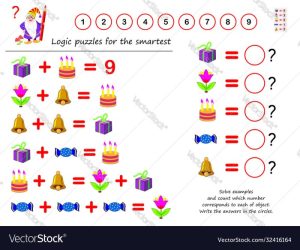
We’ll explore the current market trends, analyze successful titles, and delve into the intricacies of game design, including level creation and the importance of player engagement. We’ll also cover the various monetization strategies, technological tools, and ethical considerations involved. Whether you’re a seasoned developer or just starting your journey, this comprehensive guide will equip you with the knowledge you need to create your own captivating puzzle game masterpiece.
Game Design and Development for Puzzle Games
Crafting compelling puzzle games requires a deep understanding of game mechanics, level design, and player psychology. A successful puzzle game provides a satisfying challenge, a clear sense of progression, and a rewarding feeling of accomplishment upon completion. This section delves into the key elements of puzzle game design and development.
Core Gameplay Loop of Successful Puzzle Games
The core gameplay loop of a successful puzzle game centers around a cycle of challenge, action, feedback, and reward. The player is presented with a puzzle (challenge). They then engage in actions to manipulate game elements, attempting to solve the puzzle. The game provides immediate feedback, showing the consequences of their actions. Finally, successful completion of the puzzle results in a reward, such as a score increase, unlocking the next level, or simply the satisfaction of solving a difficult problem.
This loop needs to be engaging, intuitive, and balanced to keep players invested. For example, in a tile-matching game like Candy Crush, the challenge is presented by the board configuration, the action is swapping tiles, the feedback is immediate visual changes and potential matches, and the reward is points and the potential for power-ups.
Unique Puzzle Game Mechanic: “Chain Reaction”
This mechanic involves a cascading effect where solving one puzzle element triggers a chain reaction that affects other elements. Imagine a grid-based puzzle where colored orbs are connected by lines. Removing an orb of a certain color not only removes that orb but also triggers a domino-like effect, removing connected orbs of the same color and potentially creating new connections and opportunities.
The implementation would involve a system of linked nodes representing the orbs, with algorithms calculating the cascading effect of orb removal. This adds a layer of strategy and anticipation, as players must consider the indirect consequences of their actions. The difficulty could be adjusted by controlling the number of orbs, their connectivity, and the complexity of the chain reaction patterns.
Importance of Level Design in Puzzle Games
Level design is paramount in puzzle games. It dictates the difficulty curve, pacing, and overall player experience. Effective level design introduces new mechanics and challenges gradually, ensuring players are neither overwhelmed nor bored. A good progression might start with simple puzzles to teach the core mechanics, then gradually increase complexity by introducing new elements, constraints, or requiring more strategic thinking.
For instance, a simple Sokoban level might only involve pushing one box to a target, while later levels could feature multiple boxes, obstacles, and limited movement space. Another example is the game Portal, which begins with straightforward portal puzzles and gradually introduces more complex physics-based challenges, requiring players to think creatively about momentum, gravity, and timing.
Types of Puzzles and Player Skill Levels
The type of puzzle significantly impacts the target player skill level. Careful selection and progression are crucial for a positive player experience.
- Simple Logic Puzzles: These are ideal for beginners, focusing on basic deduction and pattern recognition. Examples include simple jigsaw puzzles or matching games.
- Spatial Reasoning Puzzles: These require visualization and manipulation of objects in space. Sokoban and Tetris are prime examples, with increasing difficulty through tighter spaces and more objects.
- Strategic Puzzles: These demand planning and foresight, often involving resource management or complex interactions between game elements. Games like Minesweeper or more complex versions of Sokoban fall into this category.
- Physics-Based Puzzles: These leverage principles of physics, requiring players to understand concepts like momentum, gravity, and levers. Portal and The Incredible Machine are classic examples.
Monetization Strategies for Puzzle Games
Choosing the right monetization strategy is crucial for the success of any puzzle game. The approach needs to balance player enjoyment with revenue generation, ensuring a sustainable business model without alienating the audience. Different strategies cater to varying player preferences and game designs, so careful consideration is essential.
Comparison of Monetization Models
Puzzle games employ several monetization models, each with its own advantages and disadvantages. The freemium model offers a core game experience for free, with optional in-app purchases (IAPs) for additional content or features. This model has proven highly successful for many mobile puzzle games, allowing a large player base to access the game while generating revenue from a smaller percentage of engaged players.
Premium models, on the other hand, charge a one-time upfront fee for full access to the game. This approach prioritizes a high-quality, complete experience but may limit the potential player base. Finally, in-app purchases can supplement either a freemium or premium model, offering additional levels, power-ups, or cosmetic items for purchase.
Examples of Successful In-App Purchase Strategies
Candy Crush Saga, a hugely successful freemium puzzle game, exemplifies effective IAP strategies. Its implementation of lives, which regenerate over time or can be instantly replenished via IAP, encourages players to purchase more lives when they run out, creating a compelling incentive to spend money. Another example is the use of boosters or power-ups that provide advantages in gameplay.
These are often offered as single purchases or in bundles, providing players with the option to enhance their experience for a fee. The strategic placement of these purchases, alongside well-designed gameplay that makes their use desirable, ensures that these IAPs feel rewarding and less intrusive.
Ethical Considerations in Puzzle Game Monetization
Ethical monetization hinges on transparency and fairness. Avoid manipulative tactics like aggressive advertising or excessively difficult gameplay designed to pressure players into purchasing IAPs. Players should feel that purchases enhance their experience, not that they are essential to progress or enjoy the game. Maintaining a balance between providing engaging content and generating revenue is paramount. A game that feels overly focused on monetization at the expense of enjoyment will likely see negative reviews and player churn.
A fair and transparent approach fosters a positive player experience and encourages long-term engagement, which ultimately leads to greater revenue in the long run.
Monetization Plan for a Hypothetical Puzzle Game
Let’s consider a hypothetical puzzle game, “Mystic Tiles,” a match-3 puzzle with a fantasy theme. The game will employ a freemium model with optional IAPs. The core game will be free to play, offering a limited number of daily plays and a set number of initial levels. Players can progress through the game by completing levels and earning in-game currency.
IAPs will include:
- Extra daily plays: Allowing players to continue playing beyond their daily limit.
- Power-ups: Offering boosts like extra moves or score multipliers.
- Level packs: Unlocking additional levels ahead of the standard progression.
- Cosmetic items: Allowing players to customize their game experience with new themes and backgrounds.
Pricing will be tiered, offering bundles of in-game currency and power-ups at a discounted rate compared to individual purchases. The in-game currency earned through gameplay will provide an alternative pathway for acquiring some of these items, ensuring that players who don’t wish to spend money can still progress at a reasonable pace. This strategy aims to provide a rewarding experience for both paying and non-paying players, maintaining a balance between revenue generation and player satisfaction.
Technology and Tools for Puzzle Game Development
Building a successful puzzle game hinges not only on clever design but also on the right technological foundation. The choice of game engine, programming language, and asset creation tools significantly impacts development speed, scalability, and the final product’s quality. This section explores the key technological considerations for puzzle game development.
Game Engines for Puzzle Games
Selecting the appropriate game engine is crucial. Three popular contenders – Unity, Unreal Engine, and Godot – each offer distinct advantages and disadvantages for puzzle game development. Unity, known for its accessibility and large community support, excels in 2D and 3D puzzle game creation. Its robust asset store provides readily available tools and resources. Unreal Engine, while powerful and visually stunning, boasts a steeper learning curve and might be overkill for simpler puzzle games.
Godot, a free and open-source engine, offers a balance between ease of use and powerful features, making it an excellent choice for indie developers.
Programming Language Selection
The programming language significantly impacts development efficiency and maintainability. C# is Unity’s primary language, offering a balance between performance and ease of use. C++, used extensively in Unreal Engine, provides superior performance but demands a higher level of programming expertise. GDScript, Godot’s built-in language, is user-friendly and specifically designed for the engine, streamlining development. The choice often depends on the developer’s experience and the engine used.
Integrating Sound Effects and Music
Sound design is integral to the puzzle-solving experience. Well-integrated sound effects enhance feedback, guiding players and adding emotional depth. Music sets the mood and atmosphere, contributing to immersion and engagement. Most game engines offer built-in audio systems for importing and managing sound files. Tools like Audacity for sound editing and DAWs (Digital Audio Workstations) like Ableton Live or FL Studio can be used to create custom sound effects and music.
Careful consideration should be given to sound design principles to ensure sounds are clear, impactful, and appropriately timed.
Creating and Implementing High-Quality Visuals
Visuals are crucial for a compelling puzzle game. The art style should complement the game’s mechanics and theme. High-quality visuals can significantly enhance player engagement and enjoyment. Tools like Photoshop, GIMP (for raster graphics), and Blender (for 3D modeling) are commonly used to create game assets. The process involves designing and creating sprites, backgrounds, UI elements, and 3D models, then importing them into the chosen game engine.
Optimization techniques, such as texture compression and level of detail (LOD) management, are essential for maintaining performance, particularly on mobile devices.
Art Styles in Puzzle Games
| Art Style | Advantages | Disadvantages | Example |
|---|---|---|---|
| Pixel Art | Nostalgic appeal, low resource intensive, easily recognizable | Limited detail, can appear simplistic | Minecraft-style puzzles |
| Cartoon/Stylized | Wide appeal, expressive, can be easily customized | Can appear less realistic, may require more art assets | Candy Crush Saga |
| Realistic/Photorealistic | Immersive, detailed, high visual fidelity | Resource intensive, high development cost, requires skilled artists | A puzzle game with photorealistic environments and objects. |
| Abstract/Minimalist | Clean, elegant, focuses on gameplay | May lack visual appeal for some players, needs strong design | Puzzles with geometric shapes and simple color palettes. |
Online Game Development and Related Genres
Stepping into the world of online puzzle game development opens a whole new dimension of challenges and rewards compared to its offline counterpart. The interactive nature of online play introduces complexities related to networking, real-time synchronization, and player interaction that are absent in single-player experiences. This section explores these differences and delves into the unique considerations involved in creating engaging and successful online puzzle games.
Differences Between Online and Offline Puzzle Game Development
Offline puzzle games focus primarily on individual gameplay, requiring careful design of puzzles to provide a satisfying challenge and progression. The development process emphasizes game mechanics, puzzle design, and user interface (UI) optimization. Online puzzle games, however, add a social layer, requiring robust networking infrastructure and features for player interaction, such as leaderboards, competitive modes, or cooperative play.
This necessitates considerations for server architecture, data management, and handling concurrent player actions. Offline development primarily involves coding, testing, and polishing the game itself, while online development necessitates extensive server-side programming, network optimization, and robust security measures.
Challenges and Opportunities of Developing Online Puzzle Games
Developing online puzzle games presents significant challenges. Maintaining low latency for smooth gameplay across diverse network conditions is crucial. Preventing cheating and ensuring fair play requires sophisticated anti-cheat mechanisms. Scalability to accommodate a growing player base requires careful planning of server infrastructure. However, online development also presents significant opportunities.
The incorporation of social features fosters a sense of community and can increase player retention. Leaderboards and competitive elements enhance player engagement and provide a framework for long-term play. Monetization strategies can be more diverse, leveraging in-app purchases, subscriptions, or advertising. For example, the success of games like Candy Crush Saga demonstrates the potential for massive engagement and revenue generation through a well-designed free-to-play model with in-app purchases.
Technical Aspects of Online Multiplayer Puzzle Games
The technical architecture of online multiplayer puzzle games is complex. A robust server infrastructure is essential to handle player connections, game state synchronization, and data persistence. Real-time communication protocols, such as WebSockets or UDP, are often employed to minimize latency. Data serialization formats like JSON or Protocol Buffers are used for efficient data transmission between clients and servers.
Security measures, including encryption and authentication, are vital to protect player data and prevent cheating. Consider the game “Among Us,” where its success hinges on its simple premise but relies on a sophisticated backend to handle real-time communication and player actions across multiple clients seamlessly.
Comparison of Development Processes: Bike Games, Online Car Racing Games, and Puzzle Games
While seemingly disparate, the development of bike games, online car racing games, and puzzle games share some commonalities but also exhibit significant differences. Bike and car racing games heavily emphasize physics engines and realistic simulations, requiring advanced programming skills in areas like collision detection and vehicle dynamics. Puzzle games, in contrast, prioritize the design of challenging and engaging puzzles, often relying on clever algorithms and game logic.
Online aspects introduce common challenges across all three genres, such as network synchronization, server architecture, and handling player interactions. However, the specific implementation varies significantly. For instance, a bike game might focus on realistic physics and player controls, while an online car racing game emphasizes competitive elements and leaderboards. A puzzle game, on the other hand, might prioritize social interaction through cooperative or competitive multiplayer modes.
The core gameplay mechanics dictate the development priorities, though online functionalities introduce common development needs.
Gambling and Game Development (Ethical Considerations)

The integration of gambling mechanics into puzzle games presents a complex ethical landscape. While the potential for increased engagement and revenue is undeniable, developers must carefully consider the potential for harm, particularly to vulnerable players. Balancing the pursuit of profit with the responsibility of protecting players requires a nuanced approach, demanding a deep understanding of both game design and the societal impact of gambling.
The ethical considerations surrounding gambling mechanics in games stem from the addictive nature of gambling itself. Puzzle games, often designed to be relaxing and engaging, can become problematic when combined with unpredictable rewards and the potential for significant financial loss. This juxtaposition creates a risk of exploiting players’ psychological vulnerabilities, particularly those predisposed to problem gambling.
Examples of Gambling Mechanics Integration in Games
Successful and unsuccessful implementations of gambling mechanics in puzzle games offer valuable lessons. A successful example might involve a “loot box” system that offers cosmetic rewards primarily, with a small chance of obtaining a significant gameplay advantage. This mitigates the risk of financial loss while still providing a sense of excitement. Conversely, an unsuccessful example might be a system where progression is heavily reliant on purchasing randomized power-ups with real money, creating a pay-to-win dynamic that alienates players and potentially encourages excessive spending.
The key difference lies in the balance between reward and risk, and the transparency of the odds.
Gambling Regulations in Game Development
Regulations surrounding gambling in game development vary significantly by region. Many jurisdictions have strict laws governing loot boxes and other randomized reward systems, particularly if they involve the exchange of real money for virtual goods with monetary value. These regulations often focus on transparency, requiring developers to clearly disclose the odds of obtaining specific rewards. Failure to comply can result in significant fines and legal repercussions.
In some regions, certain types of gambling mechanics are outright banned in video games.
The Role of Gambling Commissions and Responsible Gambling Practices
Gambling commissions play a crucial role in overseeing and regulating the gambling industry, including the incorporation of gambling mechanics in video games. They establish and enforce regulations, investigate complaints, and promote responsible gambling practices. Responsible gambling practices are essential to mitigate the potential harm associated with in-game gambling. These practices often include measures such as setting spending limits, providing self-exclusion options, and offering resources for problem gamblers.
The importance of these practices cannot be overstated; they are vital for ensuring that the pursuit of entertainment does not lead to financial ruin or addiction for players.
Marketing and Distribution of Puzzle Games
Successfully launching a puzzle game requires a well-defined marketing strategy and a robust distribution plan. This involves understanding your target audience, selecting the right marketing channels, and leveraging app stores and online platforms effectively to reach potential players. Building a strong community around your game is also crucial for long-term success.
Target Audience Identification and Marketing Channels
Identifying your target audience is the cornerstone of any successful marketing campaign. For a puzzle game, this might involve considering age range (e.g., casual gamers aged 25-45, or a younger demographic for simpler games), preferred puzzle types (logic puzzles, word puzzles, spatial reasoning challenges), and platform preferences (mobile, PC, browser). Once you’ve defined your audience, you can tailor your marketing message and select appropriate channels.
For example, a puzzle game targeting a younger audience might utilize social media platforms like TikTok and Instagram, featuring short, engaging gameplay videos and influencer collaborations. A more sophisticated puzzle game might focus on targeted advertising on platforms like Facebook and YouTube, showcasing the game’s unique mechanics and challenging gameplay. Consider also utilizing gaming review sites and blogs for more detailed reviews and analysis.
The Importance of A/B Testing in Puzzle Game Marketing
A/B testing is crucial for optimizing your marketing efforts. This involves creating two versions of a marketing asset (e.g., an ad, a website banner, an email subject line) and comparing their performance. For example, you might test two different ad creatives, one featuring bright, colorful visuals and another with a more minimalist design. By tracking key metrics such as click-through rates, conversion rates, and retention rates, you can determine which version performs better and refine your approach accordingly.
This iterative process ensures that your marketing spend is highly efficient, maximizing your return on investment. A successful A/B test might reveal that a specific image or call-to-action significantly improves engagement, informing future marketing materials.
The Role of App Stores and Online Platforms in Distributing Puzzle Games
App stores (like Google Play and the Apple App Store) and online platforms (like Steam, Itch.io) are vital for distributing puzzle games. Optimizing your app store listing is paramount. This includes crafting a compelling title and description, using high-quality screenshots and videos, and strategically selecting s to improve search visibility. Regular updates and responsiveness to user reviews are also critical for maintaining a positive app store rating.
Online platforms offer different opportunities, allowing for direct sales, community building, and often more control over pricing and marketing. A strong presence on both app stores and relevant online platforms provides broader reach and caters to different player preferences. For example, a visually stunning puzzle game might benefit from showcasing high-resolution screenshots on Steam, while a simple, addictive puzzle game might thrive on the accessibility of mobile app stores.
Building a Community Around a Puzzle Game
Cultivating a community around your puzzle game is essential for long-term engagement and success. This can be achieved through various strategies, including creating active social media channels, fostering discussions on forums, and hosting regular in-game events. Regular updates, including new content, challenges, and bug fixes, are vital for maintaining player interest. Engaging directly with players, responding to feedback, and incorporating community suggestions can significantly strengthen the player base’s loyalty.
Consider implementing features that encourage social interaction, such as leaderboards, social sharing options, and even in-game guilds or clans. Building a strong community translates to increased player retention, positive word-of-mouth marketing, and a valuable source of feedback for future development. For example, a puzzle game developer might organize regular online tournaments with attractive prizes to incentivize player participation and build excitement around the game.
Closing Summary

Creating a successful puzzle game requires a multifaceted approach, blending creative vision with sound business practices. From understanding market trends and designing engaging gameplay to mastering the art of monetization and effective marketing, each element plays a crucial role in the game’s ultimate success. By carefully considering the factors discussed in this guide – from choosing the right game engine to building a strong community – developers can significantly increase their chances of creating a captivating and commercially viable puzzle game that captivates players worldwide.
So, get ready to puzzle your way to success!
Clarifying Questions
What’s the average development time for a puzzle game?
It varies wildly depending on scope and team size, from a few months for a simple game to several years for a complex, feature-rich one.
How much does it cost to develop a puzzle game?
Costs depend on art style, features, team size, and outsourcing. Expect a wide range, from a few thousand to hundreds of thousands of dollars.
What are some common pitfalls to avoid?
Poor level design, unbalanced difficulty, neglecting marketing, and ignoring player feedback are frequent issues.
How important is art style in a puzzle game?
Crucial! The art style defines the game’s atmosphere and target audience. It needs to be consistent and appealing.